How parcels move across Poland
A structured reference on last-mile delivery models, parcel sorting technology, shipping label standards, and the domestic courier network as it operates today.
Last-Mile Delivery Sorting Technology
Three areas covered
Each topic addresses a distinct layer of parcel logistics — from how a package leaves a warehouse to how it gets scanned and routed at a sorting hub.
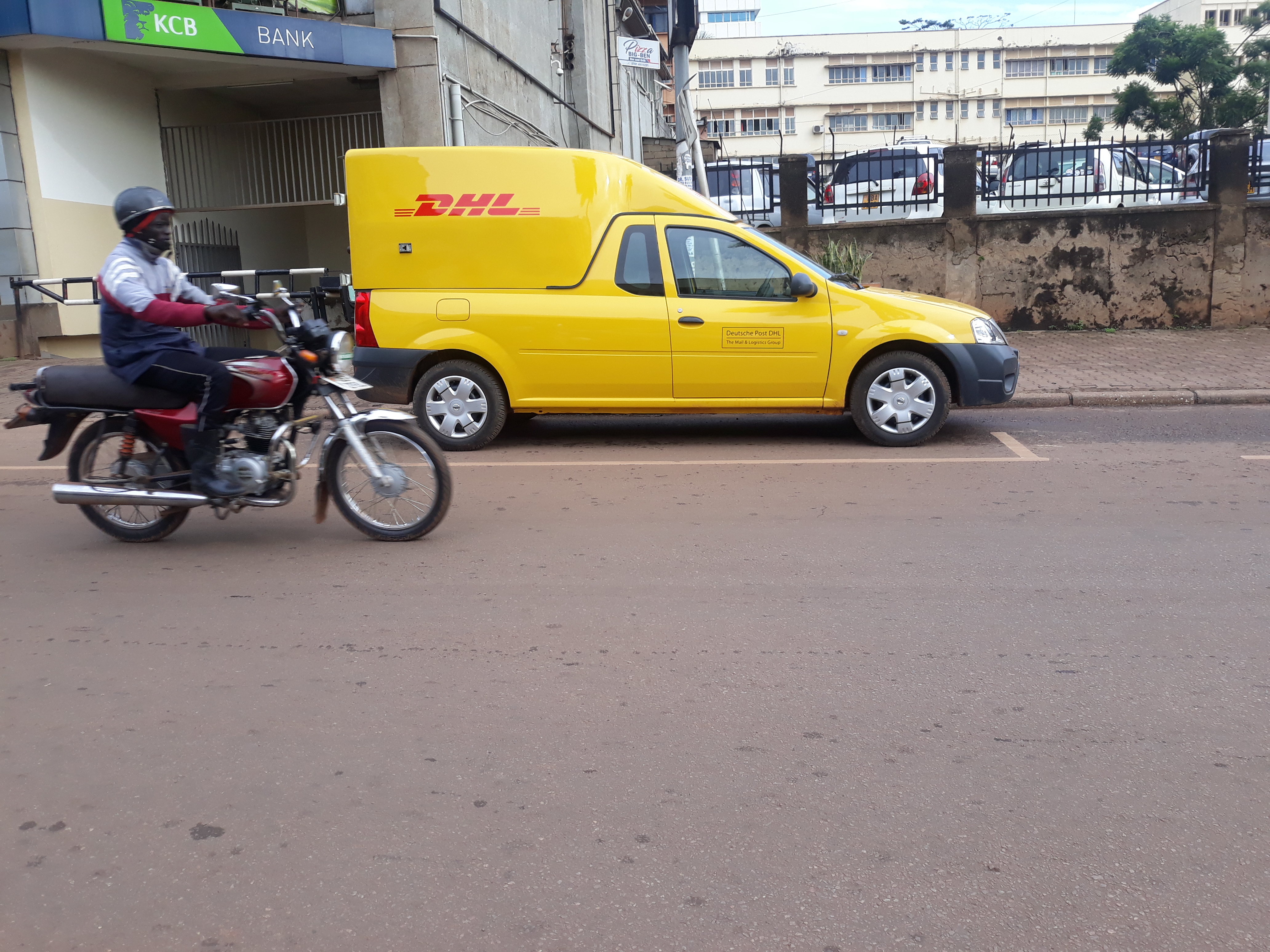
Last-Mile Delivery Models in Poland
A look at home delivery, parcel locker networks, and PUDO points — how each model handles the final segment from depot to recipient.
Read article
Parcel Sorting Technology: A Practical Guide
Barcode readers, tilt-tray sorters, cross-belt systems, and the routing logic that determines where each parcel goes next.
Read article
Shipping Label Standards and Courier Network Structure
GS1-128, QR codes, and the data fields that make label scanning reliable across multiple carrier handoffs in Poland's postal network.
Read article
From depot intake to outbound trailer
A parcel arriving at a Polish sorting hub goes through several fixed stages: intake scanning, weight and dimension capture, routing decision, and sortation to the correct output lane. The cycle typically runs in under 90 seconds per item at high-throughput facilities.
Conveyor-based systems use a combination of fixed barcode readers and mobile scan guns to handle packages that arrive with damaged or partially obscured labels. Fallback routing sends these items to manual inspection stations rather than allowing them to pass through unsorted.
- Optical barcode readers at conveyor entry points
- Weight and volumetric measurement in motion
- Automated divert gates for non-standard shapes
- Manual inspection lanes for exception handling
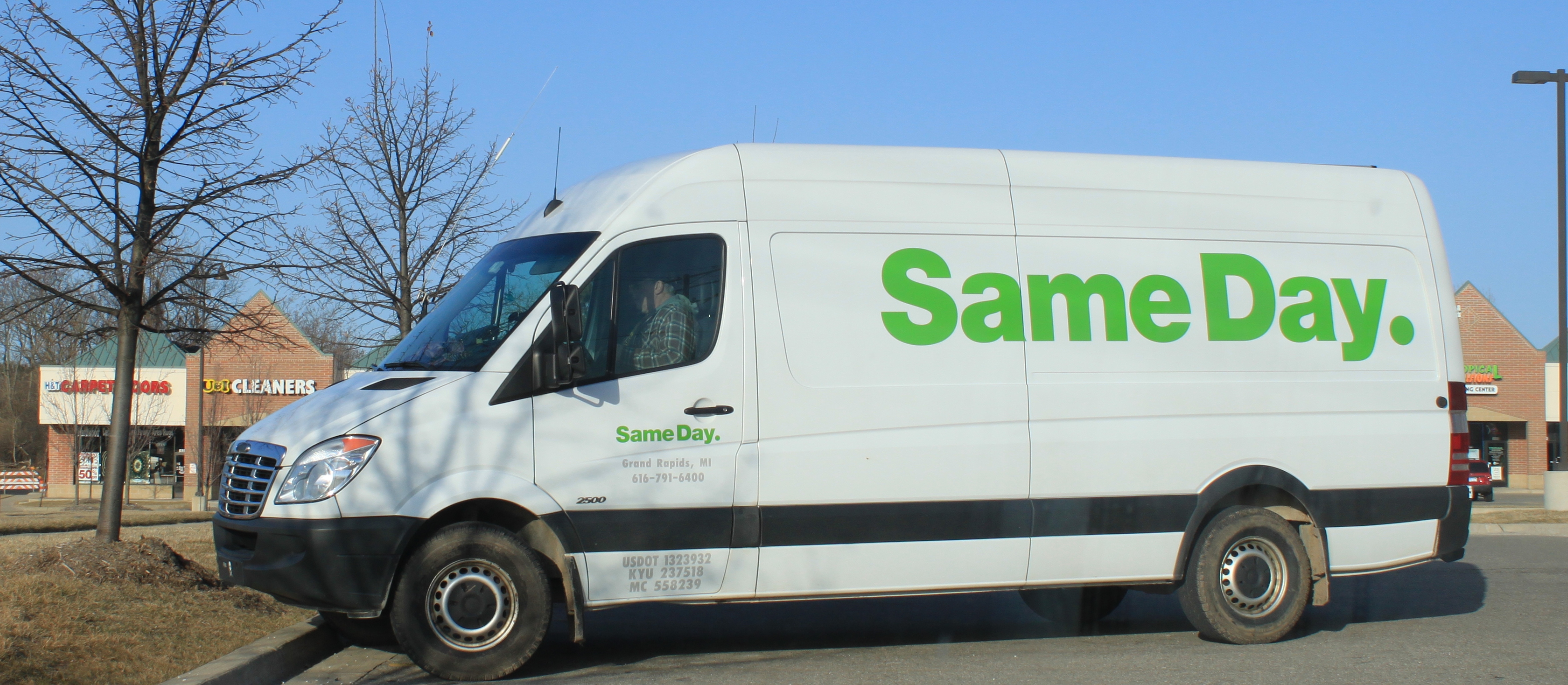
The final segment is where cost accumulates
In Poland, the last mile accounts for roughly 40–55% of total logistics expenditure per parcel. That figure reflects the density challenges in rural voivodeships and the unpredictable availability of recipients in urban apartment blocks.
Parcel locker networks — led by InPost's Paczkomat system — have shifted a significant volume of residential deliveries away from attended home delivery, reducing failed first-attempt rates from an industry average of 25–30% down to near zero for locker-routed shipments.
- Home delivery with dynamic time windows
- Automated parcel locker (APL) networks
- PUDO points at petrol stations and kiosks
- Click-and-collect at retail locations
Get in touch
For questions about the content, corrections, or general inquiries about the postal logistics topics covered here.
02-670 Warsaw, Poland
NIP: 5213948271 · REGON: 381245670